

- Front page
- Innhold
- About us
- 2020 the Year of Change and Adaption
- Facts and Figures
- Health, Demography and Quality of Life
- Nordic Smart Mobility and Connectivity
- Nordic Sustainable Business Transformation
- From strategy to innovation
- Seamless, real-time business data: A watershed year for the Smart Government programme
- Concluding Nordic Sustainable Cities
- The state of women entrepreneurship in 2020
- Nordic Scalers initiative makes headway after successful pilot phase
- "Sometimes, change can be a good thing” Nordic Innovation Houses
- The Nordic Tourism Industry was Hit Hard by Covid-19
- Vision 2030 and the new eight action plans
- Employees
- Board Members
- About this publication
MENU
 Photo: Unsplash
About us
Nordic Innovation support the vision for the Nordic region to be the most sustainable and integrated region in the world by 2030. We do so by creating new collaborations within and across ideas, industries and markets for a sustainable future. We support programs and projects and work to promote entrepreneurship, innovation and competitiveness in Nordic businesses.
We support programs and projects which contribute to fulfilling the goals of the Nordic Co-operation Program for Business and Innovation Policy 2018-2021 and the Nordic ministers of trade and industry’s eight initiatives for a greener Post-COVID-19 business sector.
We also work with special initiatives such as Nordic Innovation Houses, Nordic Scalers, Tourism in the Nordics, Nordic Smart Government, Nordic Female Entrepreneurs and impact investing.
Our office is situated in Oslo, Norway, with 22 highly qualified employees from all the Nordic countries and with expertise from different business areas and industries. Nordic Innovation’s annual budget is approximately NOK 90 million. The office is co-located with NordForsk and Nordic Energy Research, also organizations under the Nordic Council of Ministers.
The Nordic Council of Ministers is the official intergovernmental body for cooperation in the Nordic region. The Nordic cooperation consists of Sweden, Denmark, Norway, Finland and Iceland, in addition to the self-governing areas of Greenland, the Faroe Islands and Åland.
We also work with special initiatives as Nordic Innovation Houses, Nordic Scalers, Tourism in the Nordics, Smart Government, Nordic Female Entrepreneurs and impact investments.
Our office is situated in Oslo, Norway, with 22 highly qualified employees from all the Nordic countries and with expertise from different business areas and industries. Nordic Innovation’s annual budget is approximately NOK 90 million. The office is co-located with NordForsk and Nordic Energy Research, also organisations under the Nordic Council of Ministers.
The Nordic Council of Ministers is the official intergovernmental body for cooperation in the Nordic region. The Nordic cooperation consists of Sweden, Denmark, Norway, Finland and Iceland, in addition to the self-governing areas of Greenland, the Faroe Islands and Åland.
2020: The Year of Change and Adaption
Nordic Innovation began 2020 with high expectations of delivering activities to realize the Nordic Co-operation Program for Business and Innovation Policy 2018-2021 and our three thematic programs:
1. Nordic Smart Mobility and Connectivity
2. Health, Demography and Quality of Life
3. Nordic Sustainable Business Transformation
The plans were ready for a busy 2020 with Nordic events, gatherings, workshops, development of meeting places and networks. The beginning of the year went as planned, but when most of the Nordic countries were shut down from mid-March due to the Covid-19 pandemic, most plans had to be changed and adjusted, and some planned activities cancelled. Pausing business was, however, never an option, but rather to restructure. And so, we did. Most of our planned activities had to be done in a different way than originally planned – on digital platforms and from the home office.
During the year, we produced three publications to meet questions about how the pandemic affected our different programs:
- Nordic Scalers Growth Solutions Covid-19
- Nordic Digital Health Solutions for Covid-19
- Towards Sustainable Revolution: Nordic Mobility in the Post-Covid-19 Era
Additionally, the Female Entrepreneurship in the Nordics 2020 report describes the current situation for female entrepreneurs in the Nordic region. In June, the report attracted participants from the Nordic countries to one of this year’s many digital events to discuss how can we address the gender gap in entrepreneurship and fuel the growth of female-founded and gender diverse startups.
Eight large Nordic projects were launched in the Nordic Smart Mobility and Connectivity program during 2020, in addition to five preliminary projects that investigate the basis for one or more main projects. All projects contribute in different ways to increased sustainability and green mobility in the five Nordic Countries.
The Health, Demography and Quality of Life vision is to contribute to making the Nordic region by the world's most sustainable and integrated health region by 2030, and to ensure the best possible personal health service for all its citizens. Through the Nordic Healthy Cities project, five agile pilot projects have been prepared and are now running in Nordic cities.
The goal for the Nordic Sustainable Business Transformation program in 2020 was to implement and further develop projects, mobilize for increased interest and understanding circular business. One of the projects was Circular Business Models in the Nordic Manufacturing Industry - Ecosystem Perspective 2.0. with more than 112 companies participating in different workshops.
Despite the pandemic a fifth Nordic Innovation House opened in Tokyo, with the goal to become a soft-landing spot for Nordic companies wishing to expand to Japan.
After the two years pilot Nordic Scalers during 2020 developed a new model Nordic Scalers 2.0, to provide support to high-growth companies and strengthen the Nordic network and increase knowledge about the Nordic region as a leading hub for growth companies.
Svein Berg, Managing Director
April 2021
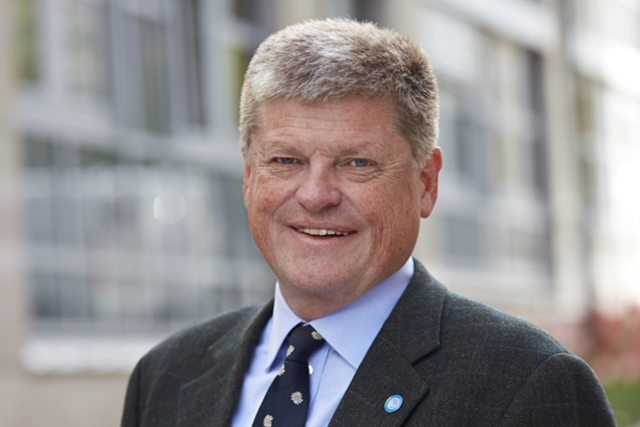 Svein Berg
Photo: Jarle Nyttingnes
Facts and Figures
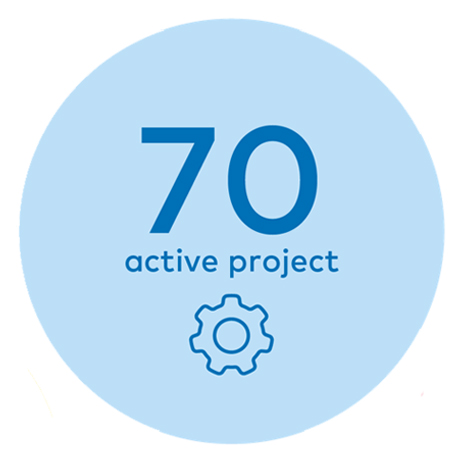
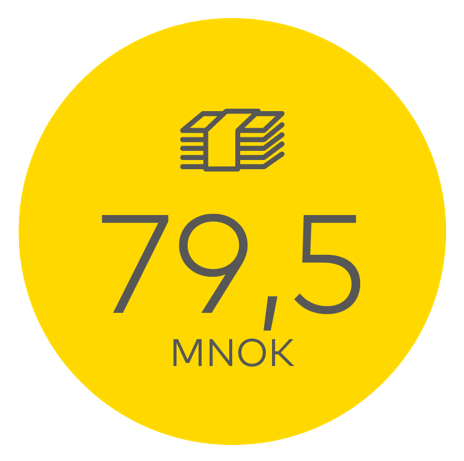
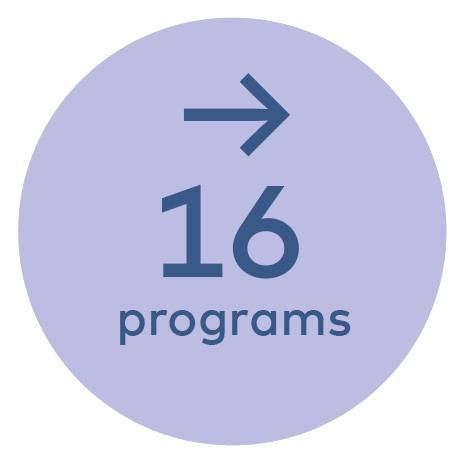
Followers on social media




Facebook
1/1 2020: 2624
1/1 2021: 3165
+ 21%
Twitter
1/1 2020: 5310
1/1 2021: 5785
+9%
LinkedIn
1/1 2020: 3710
1/1 2021: 5346
+ 44%
Instagram
1/1 2021: 314
Stay up-to-date!
Sign up and be among the first to receive news and updates about Nordic Innovation activities: nordicinnovation.org/subscribe
Follow us on social media:
facebook – nordicInnovation.org
twitter – nordicinno
linkedin – nordic-innovation
youtube – Nordic Innovation
instagram – nordicinnovation
 Photo: Ricky John Molloy
Health, Demography and Quality of Life
In a year of a pandemic, preventive health and the Nordics have been in the headlines almost non-stop.
In the beginning of 2020, the plan was clear for the Health, Demography and Quality of Life program: a Nordic Health Hackathon in Norway and Sweden, five Nordic Healthy Cities pilot-projects and a new health platform.
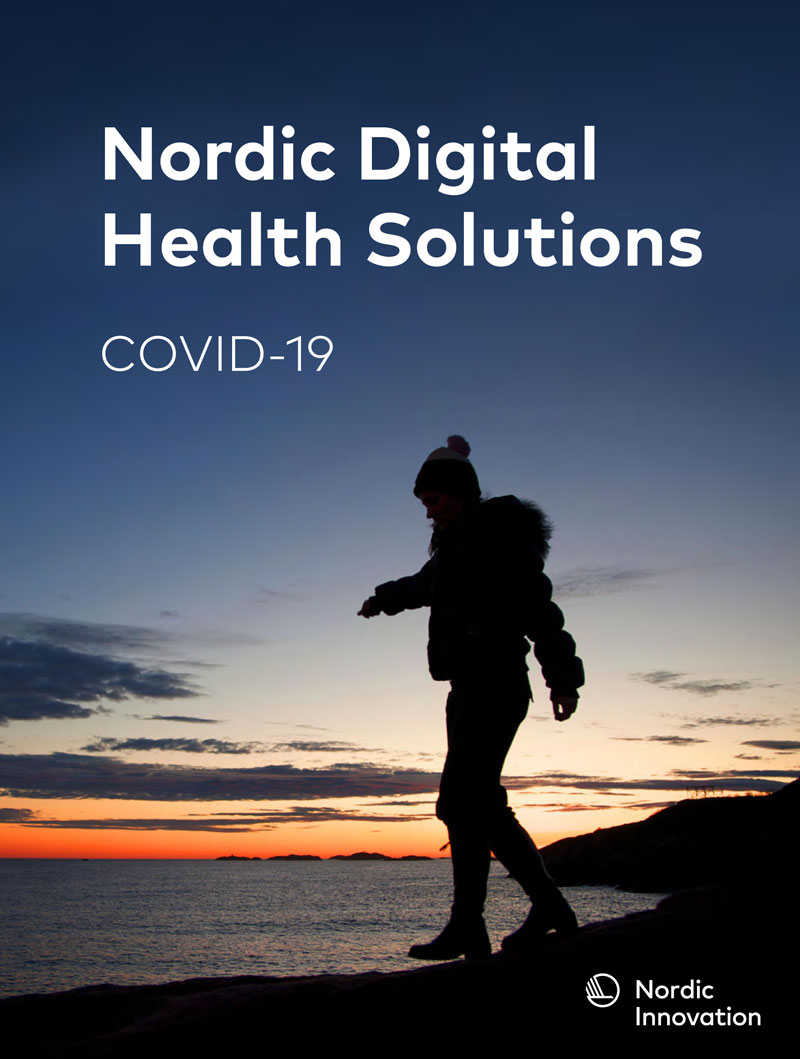
By March, the focus on health would be greater than ever, but now the Nordics looked within their own borders. The shift happened quickly and by April 2020, Nordic Innovation launched the publication Nordic Digital Health Solutions for COVID-19 as a response to the Covid-19 pandemic.
”We wanted to provide the Nordic countries with a guide to examples of existing products and solutions that could easily be used by the rest of the Nordics”, explains Senior Innovation Adviser Þórður Reynisson.
The publication was a tool for the Nordic countries to benefit from each other’s health innovations and has been downloaded more than 1300 times since it was published.
ABOUT THE PROGRAM
Date: 2018–2021
Funded projects: 9
Vision: In 2030, the Nordics will be the most sustainable and integrated health region in the world, providing the best possible personalized health care for all its citizens
The challenges of bridging Nordic data
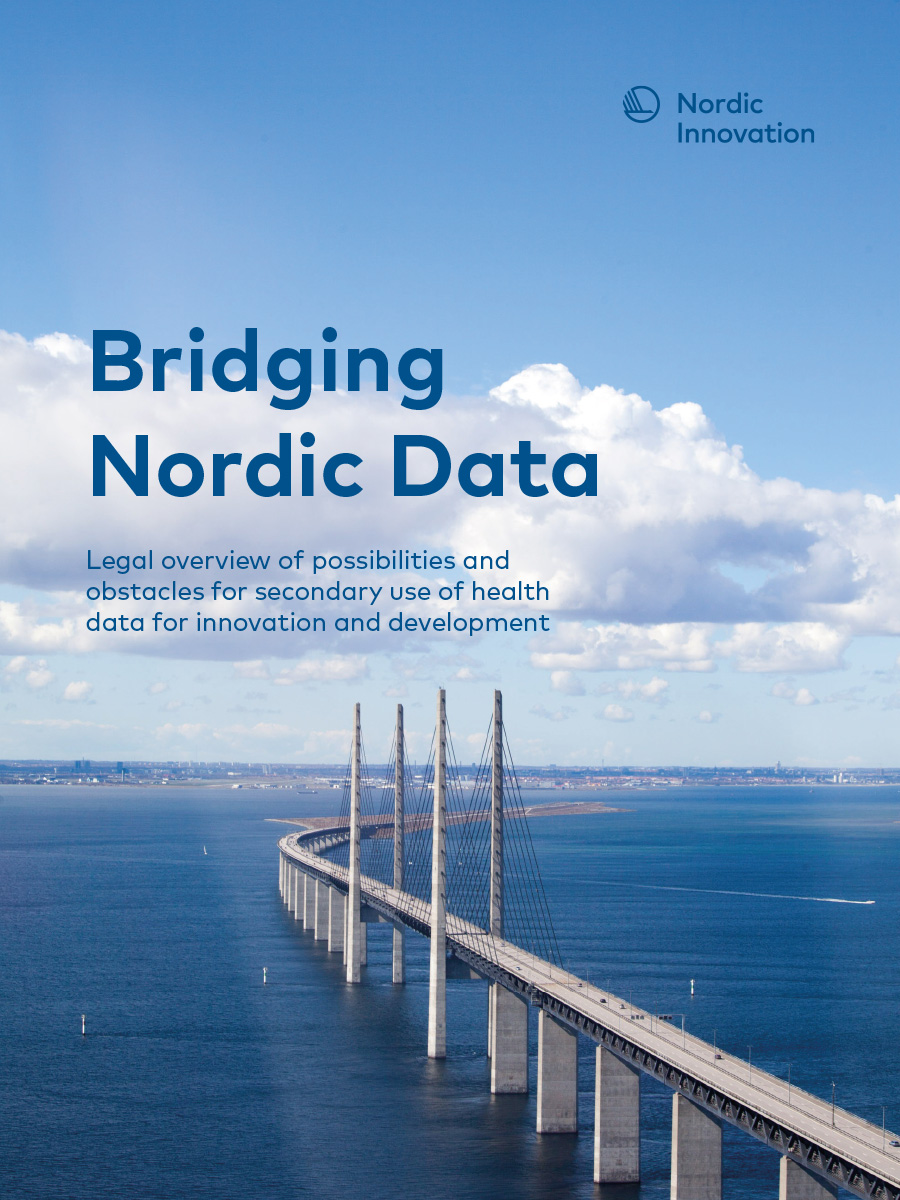
In June, Nordic Innovation published the legal overview: Bridging Nordic Data, carried out by Deloitte Legal. The publication serves as a legal overview of possibilities and obstacles for secondary use of health data for innovation and development.
“We expect that this can have a great impact on how the Nordic countries can share health data in the future” says Senior Innovation Adviser Þórður Reynisson.
The next steps are the projects use-case and business-case which will be launched during 2021.
The Grand Nordic Health Hackathon goes online
In the fall of 2020, the Grand Nordic Health Hackathon was executed and opposite the earlier hackathons, this one was carried out online.
“The hackathon contributed to gathering several important actors within health data in the Nordics, build networks and exchange experiences” explains Reynisson.
The focus on preventive health solutions meant a wide variety of projects and in the end HELFI won the prize.
“Their take on doctor-patient communication was a game-changer and the jury was very impressed with their approach. To take the hackathon online was a big transition, but we were able to adapt and with 251 registering, it showed us just how many people around the Nordics were invested in preventive healthcare solutions”, concludes Reynisson.
Read more about the winner of the Grand Nordic Health Hackathon
→ www.nordicinnovation.org
 Þórður and
Rasmus with the new publication Nordic Digital Health
Solutions for COVID-19
Þórður and
Rasmus with the new publication Nordic Digital Health
Solutions for COVID-19Photo: Magnus Buer
NORDIC HEALTHY CITIES – AGILE PILOT-PROJECTS
Crowdsensed Data to Support Healthy Liveable Cities
Healthy Liveable Neighbourhoods
Private Data and Public Health
Reduction in Pollution to Create Better Health
Sleep Monitoring
Nordic Healthy Cities
With support from Nordic Innovation, the Nordic Smart City Network initiated the Nordic Healthy Cities project, which is setting out to mitigate and prevent health challenges and set the public sector as a driver of innovation in close partnership with private companies.
The project contains five agile pilot-projects which ranges from sleep monitoring to crowdsensed data.
"There is no doubt that Nordic cities function well as testbeds for health solutions, so we are looking forward to seeing the results of the five pilots when they are ready in 2022 and thereafter hopefully seeing successful solutions being implemented across the Nordics", says Rasmus Malmborg.
The Nordic Smart City Network is a collaboration between 20 Nordic cities in six Nordic countries.
NORDIC DIGITAL HEALTH & MEDICATION PLATFORM IN 2021
- Start accrediting digital health apps and solutions for the Nordic market
- Build a Nordic “Master Library” of approved health apps
- Establish dissemination and activation services at national, regional and local level to increase the uptake and use of digital health.
Nordic Digital Health Platform
In the fall of 2020, the project Nordic Digital Health & Medication Platform was initiated. The first task being to develop the technical platform for health app accreditation, establish a first version of the Nordic accreditation criteria based on the current international baselines and build the business case for a sustainable operation for a Nordic wide service.
The objective with the platform is to establish an operational Nordic marketplace for accreditation and distribution service for digital health apps in the Nordics.
There is a possibility here to make a Nordic solution rather than five national solutions. This will benefit the citizens, the health care systems and especially the small and medium sized businesses, who will here gain direct access to all Nordic markets through one platform. A focus on accredited digital solutions is very much in line with the program 2030 vision where data driven, personalized, preventive health solutions are key to having a sustainable and patient centered health care system in 2030”, concludes Malmborg.
Do you want to know more about the program and what the plans are for 2021? Visit the program-page here nordicinnovation.org/health
 Photo: Adobe Stock
Nordic Smart Mobility and Connectivity
The Nordic Smart Mobility and Connectivity program is created through cooperation, dialogue, and involvement across countries, and this is also how it is implemented. Nearly 100 Nordic players are working together on projects to deliver green mobility solutions. The project partners represent large companies, SMEs, cluster organizations, business organizations, municipalities, academia, research, and innovation. Success is created by both large, as well by small consortia.
The program is now well established in all five Nordic countries and its main objective is to increase the pace of the transition to more sustainable mobility solutions and change the way people and goods are moved.
13 projects in progress
There are various examples about successful mobility projects and activities that was implemented during 2020. In total 13 projects are now in progress. Under the theme heading Sustainable, secure, energy-efficient, and decarbonized mobility there are five projects and five preliminary projects. They are divided into air, sea and land transport and deal with the transport of both people and goods. And under the heading Seamless, integrated and people-centric mobility three projects are underway which all deals with passenger transport.
Eight new Nordic solutions and concepts are being developed under the mobility program. In addition, five preliminary projects have been initiated to investigate the basis for another or more. All projects contribute to increased sustainability and green mobility, but in different ways. For example, the project The Connected Ship tests how smart city solutions can be used to increase energy efficiency and safety on board ships. The MIM project develops incentive solutions and planning tools that will facilitate green mobility choices. Another project called Next Wave aims to promote the use of hydrogen on buses and heavier vehicles in the Nordic region and thus contribute to significant emission reductions, while the project i-SMILE looks at environmentally friendly solutions for door-to-door deliveries of goods in cities. Read more about the projects in the mobility universe Nordic Mobility Universe.
The publication "Towards Sustainable Revolution: Nordic Mobility in the Post-COVID-19 Era" was launched in August. We took part in The Zero Conference with the session "How the Nordic region becomes a world leader in emission-free transport" and talked about the first four mobility projects under our program and how they contribute to emissions cuts and the overall climate agenda. Video: Slik blir Norden best i verden på utslippsfri transport.
Test the future with a game
After successful test rounds of the «Nordic Urban Mobility 2050 – Futures Game»
in 2019, it was time to take the next step 2020, to gather Nordic cities around the table to develop common visions for the cities of the future regarding mobility. To take advantage of the tool and meet the interest expressed by involved participants, the game was also launched for download free on Nordic Innovation's website.
Cross cutting issues
The requirement for sustainability is essential for the mobility program and all the projects that operate within its framework. Projects and business models must be commercially sustainable, at the same time they must be linked to social challenges including climate and environmental challenges ("decarbonising"). The program also sheds light on quality of life and accessibility, which of course is also related to the sustainability theme.
→ Read more about Nordic Smart Mobility and Connectivity
 Photo: Unsplash
Nordic Sustainable Business Transformation
Supporting Nordic manufacturing businesses
Manufacturing companies play an important part in the circular transition. To help build competence, ecosystems and collaborations Nordic Innovation ran two Circular Business Models in the Nordic Manufacturing Industry workshop series in autumn 2020 together with Sitra and Accenture. The workshop series was tailored to companies wanting to learn about the potential of circular economy (Track A) and companies actively working to implement circular business models through piloting respectively (Track B).
64 companies participated in the workshops in 2020, which gave birth to 102 circular ideas and opportunities as well as six pilot ideas for new circular models. 97% of the participating companies have since reported that they are working to implement circular business models.
Together with Sitra and Accenture, a Nordic version of the Sitra Circular Playbook called the Nordic Circular Economy Playbook was developed during the fall of 2020. The Playbook launched in the spring of 2021 and is a practical tool and knowledge source for Nordic companies.
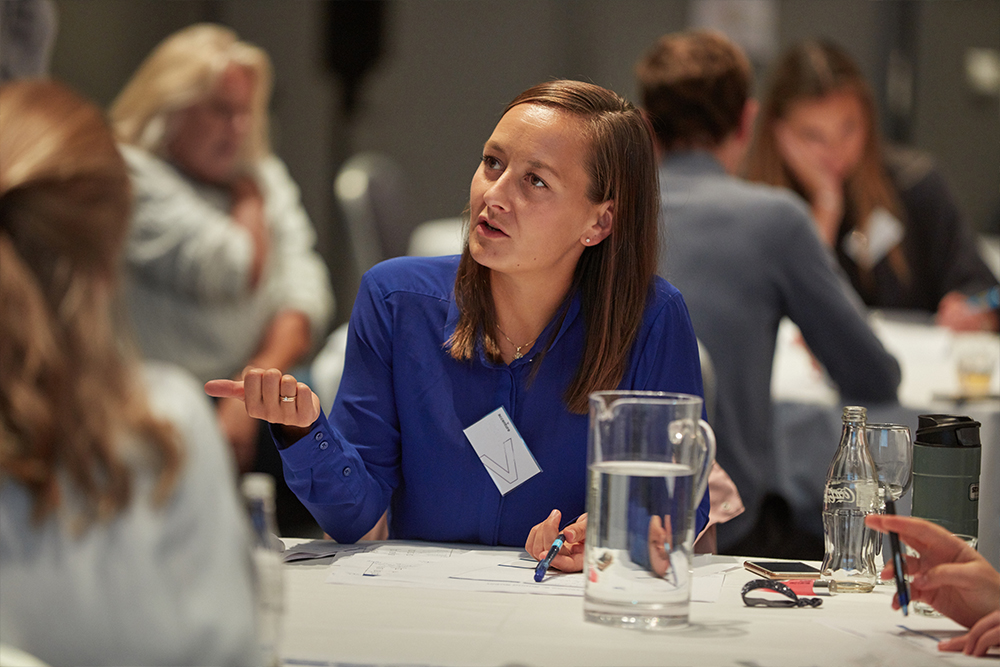 Manufacturing companies learning about the potential of circular economy at a workshop in Oslo.
 Photo: Jarle Nyttingnes
Strengthening the Nordic circular ecosystem
The Nordic Circular Hotspot is a coalition to accelerate Nordic circular economy and is co-funded by Nordic Innovation. In August 2020, the second phase of the Hotspot, Nordic Circular Hotspot 2.0, was launched with the aim to recruit partners and create a viable business model. During the year, the Hotspot has also hosted three additional online events gathering 200-300 participants each.
The Nordic Circular Hotspot was the main organizer for the first Nordic Circular Summit – the largest circular economy event in the Nordic region in 2020. The Summit included 57 keynote speakers, ten sessions and over 1000 participants over two busy days in November. The Summit brought together a wide array of actors from the Nordic circular economy field and was an important milestone on the way to a circular Nordic region.
The Summit was co-organized by Nordic Innovation and Nordic Circular Hotspot.
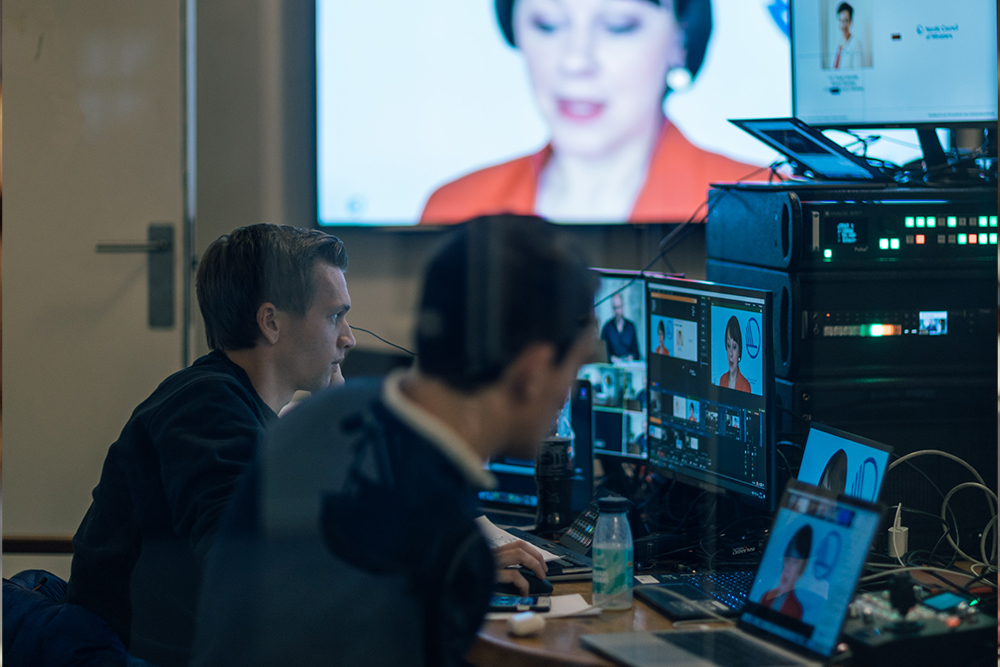 Secretary General of the Nordic Council of Ministers, Paula Lehtomäki, speaking at the Nordic Circular Summit 2020.
A year full of activities
In addition to the activities described above, Nordic Innovation has co-funded seven projects with 51 partners in our Circular Cities and New Circular Solutions in the Nordics call for proposals. All the projects were started in the summer and the of 2020, and we anticipate great results in the coming years.
Nordic Innovation was again key partner for the World Circular Economy Forum 2020. Due to the coronavirus, the main event was postponed to 2021 but was replaced by the WCEFonline, where Nordic Innovation hosted an online side event called Leveraging the Full Power of Ecosystems – Transitioning to the Circular Economy in the Nordics.
In cooperation with the national trade promotion organizations, Nordic Innovation hosted the Nordic-Canadian Circular Economy Digital Hackathon in November to facilitate increased export of Nordic circular solutions, also a WCEFonline side event.
Although some of the planned activities in the LOOP Ventures pilot had to be postponed due to Covid-19, the project hosted several online events and workshops for Nordic participants. They onboarded new Nordic partners, developed their model, and started a new project in Nigeria. They also started and ran pilot projects in Finland, Norway and Sweden. The project was strengthened in the beginning of the year by adding partners from all the five Nordic countries.
“2020 has been a great year for the circular economy transformation in the Nordic region, and I like to think that we have played an important part by bringing Nordic stakeholders together and enabling their collaborative transition efforts”, says Senior Innovation Adviser Elís Benediktsson.
“There is a real collaborative spirit in the whole ecosystem that is essential for bringing us forward, and we at Nordic Innovation are looking forward to continuing to drive the change towards a circular Nordic region”, adds Innovation Adviser Hanna Törmänen.
From strategy to innovation – the need for sustainability transitions contribute to a wider outlook on innovation
Trine Moa, Senior Adviser Strategy and Governance at Nordic Innovation Trine has more than 15 years of experience working with strategic planning, developing and implementing methodology and tools for results management, evaluation and learning. We meet outside the office in Oslo where she normally works with colleagues from all Nordic countries. But this spring 2021, with pandemic restrictions, everyone works from their home.
Tell me about the Nordic Co-operation program for Innovation and Business 2018–2021 and how you operationalized it at Nordic Innovation?
“Nordic Innovation is a key player in the implementation of the co-operation programme. An internal work process was initiated in the autumn of 2017 with the aim of operationalising the co-operation program, giving it a mission, and creating a professionally sound basis for being able to make specific priorities. An important aim for the process was to create a holistic and coherent approach. Individual projects, activities and initiatives were all to be seen in context and be rooted in strategy and the priorities that have been made within the framework of the co-operation program. The methodology included mapping of national innovation policies, in all Nordic countries, seen in connection with the EU's priorities within the innovation area (Horizon), the UN's sustainability goals, and Nordic and national positions of strength” says Trine Moa.
She describes the operationalisation process that resulted in three programs: Nordic Sustainable Business Transformation, Health, Demography and Quality Life and Nordic Smart Mobility and Connectivity. The programs are all cross-sectoral, open, wide-ranging and allow for final concretisation and delimitation to take place at activity level. Simultaneously, the programs indicate direction and Nordic positions of strength - in response to Nordic and global challenges. By using broad definitions, Nordic Innovation considers technological development, innovation and changes that cannot be predicted at present, concurrently as stimulating innovation and cooperation across sectors and ecosystems. The co-operation programme describes the primary challenges and areas for co-operation and set a clear direction for Nordic co-operation on business policy.
How has your strategy helped to achieve concrete deliverables?
“We work with Theory of Change, which is useful to summaries the work at a strategic level as it gives opportunities for cyclical processes and feedback loops. Theory of Change help us articulate the assumptions about the process through which change will occur and specifies the ways in which all the required early and intermediate outcomes related to achieving a desired long-term change will be brought about and documented as they occur” says Trine Moa and she continue.
“We are aware that the individual projects or programmes are by themselves insufficient to generate the longer term ‘real impact’ aspired to by the Nordic Ministers. Rather, they are likely to act as catalyzers or sparks of inspiration on which Nordic stakeholders can build, scale and further develop co-operation and Nordic wide ecosystems”.
When you started 2017 how was the process and collaboration with stakeholders?
“Nordic Innovation act as an intermediator with the task to support ecosystems and enable cross border collaboration for sustainable growth and to promote entrepreneurship, innovation and competitiveness of Nordic business. To inspire society at large, and to ensure that it has the necessary legitimacy, acceptance and relevance, the program development and implementation process included all relevant actors, in the co-design, co-implementation, and co-evaluation of the activities” explains Trine Moa.
“To inspire society at large, and to ensure that it has the necessary legitimacy, acceptance and relevance, the program development and implementation process included all relevant actors, in the co-design, co-implementation, and co-evaluation of the activities” explains Trine Moa.
She describes that the administration carried out a comprehensive mapping and idea collection. Many bilateral meetings took place with a wide range of relevant actors in all five Nordic countries. This included public actors (innovation authorities, ministries), business clusters, research communities, interest groups and start-up communities. Trine Moa talks about Nordic Innovation as intermediator with the task to support ecosystems and enable cross border collaboration for sustainable growth and to promote entrepreneurship, innovation, and competitiveness of Nordic business.
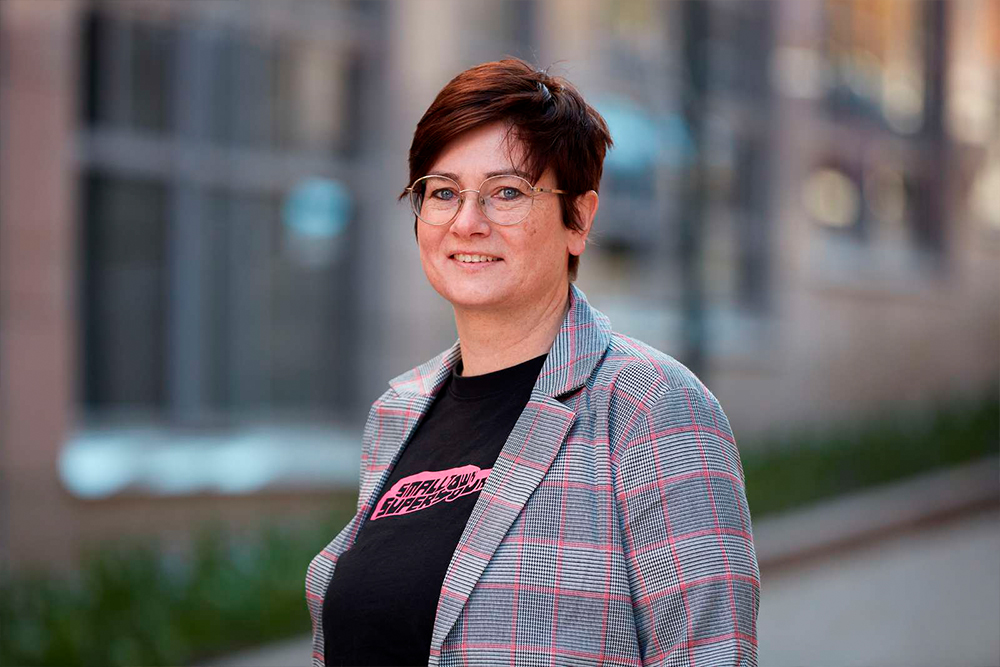 Trine Moa believe in digital integration, inclusion and ecosystem building as a
strategy for sustainability transitions. She is convinced in
that a global mindset and being adaptable and used to putting yourself into a
new environment and culture is an ad
Trine Moa believe in digital integration, inclusion and ecosystem building as a
strategy for sustainability transitions. She is convinced in
that a global mindset and being adaptable and used to putting yourself into a
new environment and culture is an adPhoto: Jarle Nyttingnes
 Photo: Unsplash
Seamless, real-time business data: A watershed year for the Smart Government programme
The Nordic Smart Government programme aims to break down digital barriers between businesses, service providers and authorities to ensure business data flows in real-time. With funding approval and the launch of a comprehensive roadmap, the programme is now set to open the door for new business and growth opportunities based on data sharing across the Nordics.
A lack of comprehensive standards for data exchange constitutes a significant burden for SMEs, who are forced to spend time and resources on manually accessing, collecting and sharing their own business data with partners and government entities. The Nordic Smart Government programme seeks to remedy this, and after years of extensive research and dialogue with stakeholders, the Nordic Smart Government has now launched a roadmap for the years 2021–27.
“Using insight from industry stakeholders and public entities, this plan maps a clear course for the programme going forward,” says Kjersti Lunde, program manager for Nordic Smart Government.
The roadmap, which was approved at the Nordic meeting of ministers of Business in September 2020, details how the Nordics can become a leader in real-time, seamless data sharing between businesses. It identifies the key challenges, tasks and initiatives facing the programme, while providing a clear timeline and milestones for the next years.
Unprecedented level of cross-Nordic collaboration
According to Lunde, the biggest achievement was establishing a common understanding of vision, challenges, goals and means across the many public authorities involved, as well as a broad support from key stakeholders. The importance of the programme is also reflected in the executive governing body that will implement the program.
“We have brought together a dedicated group of high-ranking members of all public business registries and tax authorities in the Nordic region. This formalised working body will help to realize this ambitious programme. It is perhaps the most thorough example of cross-Nordic collaboration I’ve ever seen in public sector.”
To achieve the goals set out in the plan, the Smart Government Programme was allocated 27 million DKK in funding. In addition, substantial resources will be allocated on a national level. Comparatively , the consulting firm EY estimated in 2018 that the potential value of enabling real-time, cross-platform data sharing B2B market could reach 200 billion DKK.
Stimulating SME growth by removing data obstacles
The programme was created as a response to a lack of infrastructure and standards for seamless data sharing between businesses. The problem is that although the Nordic countries are some of the most digitized in the world, there has been a downside to this.
“Parts of the digital infrastructure and data systems are inherently old. Often, systems have been built to meet specific or temporary needs, resulting in highly-siloed systems. This means companies face unnecessary complications when using and sharing their own data,” Lunde explains.
For most SMEs, critical data such as cash flow, stock levels, and expenditures are kept in internal documents like invoices and receipts. Typically, this is manually entered into a database or accounting software — often requiring a separate process to produce reports for tax authorities and the like.
Nordic Smart Government’s ambition is to simplify the processes by defining the requirements for data to be shared and used, across public and private systems and services. This in turn depends on agreement on which data standards and dataformats to be used, and a step by step transition towards systems and services which can exchange data in a secure way, with the SMEs’ consent. If successful, data can be seamlessly integrated across systems, freeing up time and resources currently spent on administration and bookkeeping.
And with both a roadmap and funding approval, the Smart Government Programme is poised to make life significantly easier for Nordic SMEs in the years ahead.
→ Read more about Nordic Smart Government
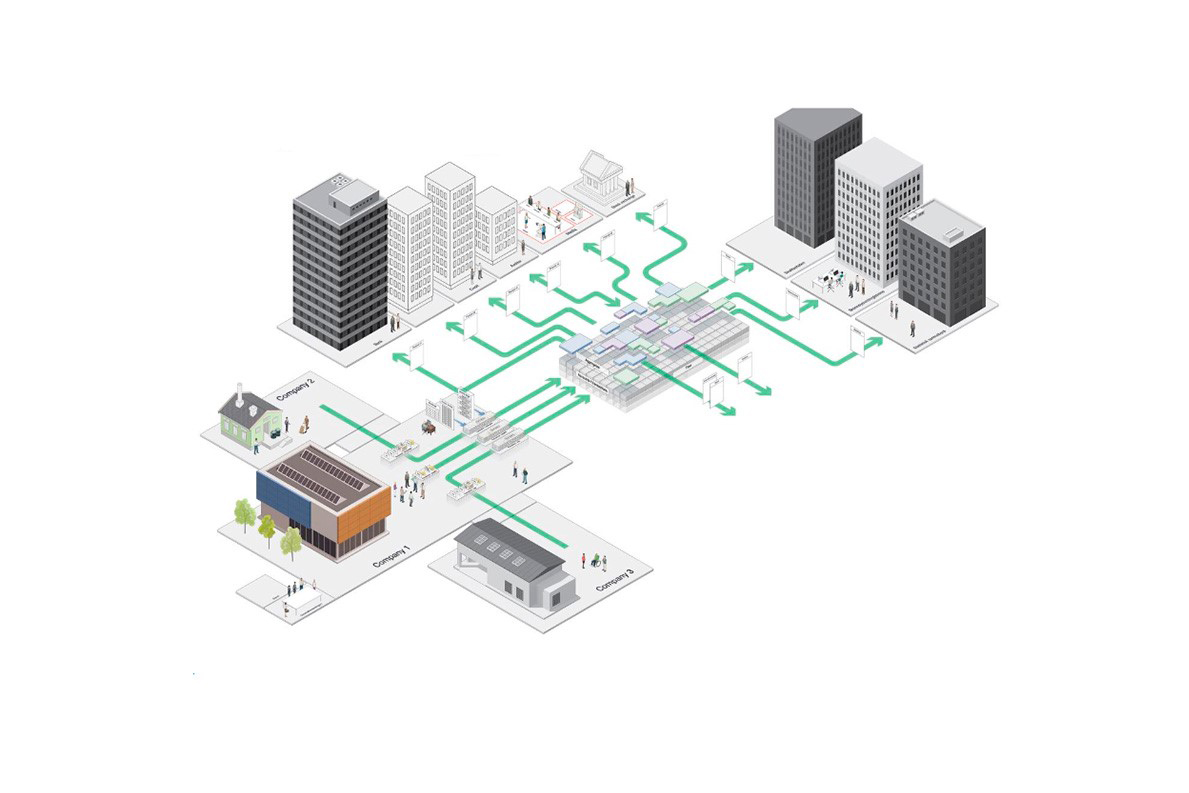 Nordic Smart Government model
 (click to enlarge)
 Photo: Unsplash
Concluding Nordic Sustainable Cities
Despite Covid-19 posing challenges for export initiatives, Nordic Sustainable Cities still succeeded in providing Nordic companies access to global markets.
Nordic Sustainable Cities was launched in 2017 as one of six flagship projects under the Nordic prime ministers’ initiative Nordic Solutions to Global Challenges. Its ultimate goal is to increase the export of Nordic solutions for sustainable, livable and smart cities.
India, China and North America were early on identified as the most important global markets early on and a number of cities in each market were identified as possible collaboration targets. The special initiative has since been instrumental in building relationships between central Nordic export actors in these markets and the target cities. In 2020, this has resulted in concrete business opportunities for Nordic companies in all the three markets.
Additionally, Nordic Innovation has co-funded four new events and activities that has promoted Nordic solutions to key international stakeholders. Due to Covid-19, several planned activities in 2020 have been given extensions and we expect all activities to be completed by summer 2021.
“The strong collaborations that were already built have made us able to carry out most of the planned activities despite the challenges we all have faced in 2020. It goes to show that Nordic solutions for sustainable, livable and smart cities are competitive in global markets and that Nordic businesses have an important role to play in building the cities of our future”, says Senior Innovation Adviser Håkan Lund from Nordic Innovation.
Håkan is running the Nordic Sustainable Cities special initiative at Nordic Innovation together with Senior Innovation Adviser Rasmus Malmborg and Innovation Advisor Ivar Josefsson.
Hacking business deals and creating global opportunities
One of the central goals of Nordic Sustainable Cities has been to help give Nordic businesses opportunities to bid for and win contracts in urban development projects in the targeted cities in North America, India and China. An additional goal has been to support value chain collaboration to increase the competitiveness for Nordic companies in larger and more complex projects.
In North America, all the five Nordic trade promotion agencies successfully organized a combined hackathon and innovation sprint in Minnesota. 15 Nordic companies participated, of which one ended up signing a contract with Saint Paul Port Authority Minneapolis and at least three others attracting interest from local clients.
Although the efforts in China have been severely affected by Covid-19, seven events and participation in three large conferences online meetings were carried out in 2020. By combining online and physical presence, several Nordic companies were able to participate. As a positive side-effect from having online events, it has been possible to include smaller startups and companies that would not otherwise have been able to participate. One last activity will be carried out in Wuhan in the first quarter of 2021.
The activities in India conclude with a collaboration between the Nordic trade promotion agencies and BSES Yamuna Power Limited, which is one of the largest power distributers in New Dehli. The collaboration includes three independent pilot projects to develop Nordic solutions, competence and Nordic collaboration cases. The pilots are run by Fortum, Smart Innovation Norway, Energy Innovation Lab, VTT Finland and Columbus.
Making cities inclusive, safe, resilient and sustainable
Although Covid-19 meant some small adjustments to timeframes and planned activities, the overall goal to conclude the Nordic Sustainable Cities special initiative in 2020 has been achieved.
Over its four years, the special initiative has built up a solid and productive collaboration between the Nordic trade promotion agencies in North America, China and India and local stakeholders and we are already seeing this translated into concrete business for Nordic companies.
In addition, Nordic Innovation has in total co-funded 32 events and activities all over the world promoting Nordic solutions for sustainable, smart and livable cities, which has brought more than 90 different stakeholders together in various consortia.
“I am proud of what we have been able to build in these four years. Nordic Sustainable Cities has proved that Nordic solutions are attractive globally and clearly showed how collaboration between the Nordic region and the rest of the world can bring us a few steps closer towards UN’s Sustainable Development Goal 11 of making our cities inclusive, safe, resilient and sustainable”, says Håkan Lind.
→ Read more about Nordic Sustainable Cities
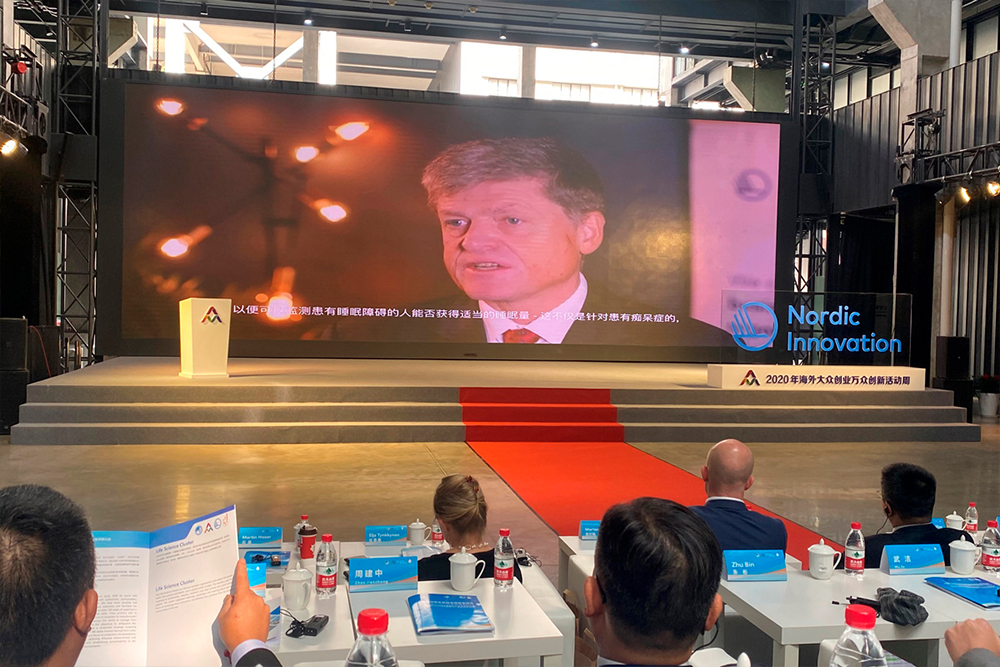 Nordic Innovation Managing Director Svein Berg
speaking for more than 17.000 people at the Chinese Nordic Sustainable Wrap Up
conference in China.
Nordic Innovation Managing Director Svein Berg
speaking for more than 17.000 people at the Chinese Nordic Sustainable Wrap Up
conference in China.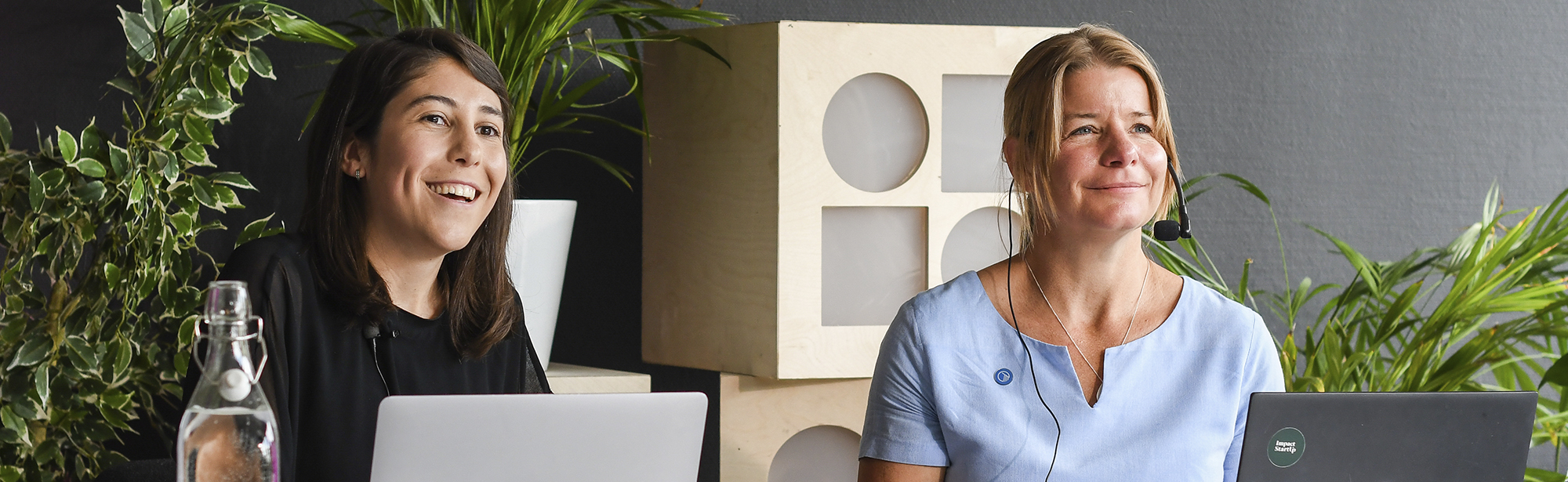 Virginia E. Vegas, Startup Norway and Marthe Haugland, Nordic Innovation
Photo: Benedicte Tandsæther-Andersen, Startup Norway
The state of women entrepreneurship in 2020
The drive for creating a diverse and equal entrepreneurial ecosystem in the Nordics, did not halt due to Covid-19 in 2020.
In 2019 the national innovation agencies in the Nordics came together to cooperate on increasing the share of female entrepreneurs in the Nordic region. The cooperation was initiated by Nordic Innovation and was the foundation for the Nordic Task Force for Diversity, where the common goal is to raise awareness of the gender differences in the Nordic entrepreneurial landscape, what possibilities and obstacles lie there and the loss of value creation as a result of this inequality.
First step: Analyze the current Nordic landscape
The first activity that the task force agreed on in 2020 was to get a study done on the status of women entrepreneurship in the Nordic region. The final result: Female Entrepreneurship in the Nordics 2020. The study by Menon Economics, looked at today’s statistics and what the situation is like for women entrepreneurs in the Nordics, it functions as an important framework for discussing the subject both inside and outside the Nordics.
The study has been used in many relations, for example has both Nordic Innovation House Silicon Valley and New York used it as a foundation for their webinar series Women in Tech and Innovation.
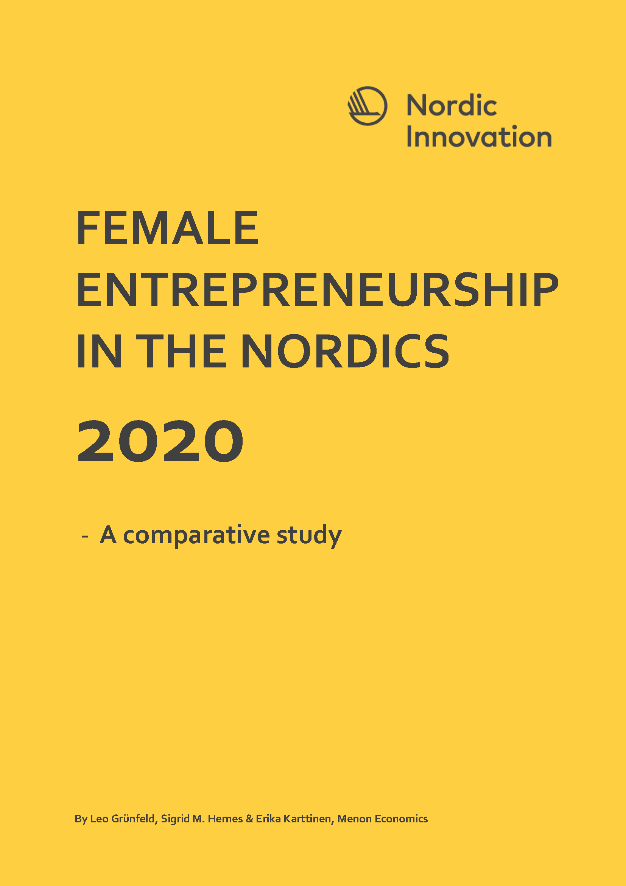
Launch and reception of the Female Entrepreneurship in the Nordics 2020 study
The study was launched in Nordic Innovation’s first webinar since the pandemic began: Women entrepreneurs – Growth opportunities in the Nordics. Here over 200 people from all over the Nordics joined a strong team of speakers talking about their experiences as entrepreneurs, investors and what challenges they faced in the Nordic entrepreneurial world.
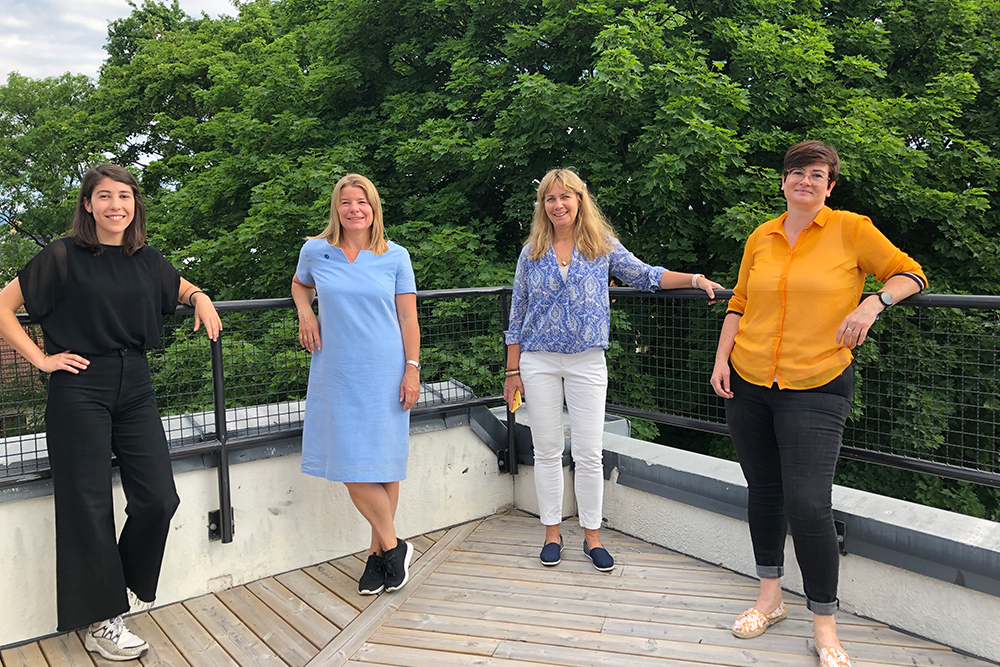 From the Left: Virginia E.
Vegas, Startup Norway, Marthe Haugland, Lena Henriksson and Trine Moa from
Nordic innovation.
From the Left: Virginia E.
Vegas, Startup Norway, Marthe Haugland, Lena Henriksson and Trine Moa from
Nordic innovation. Photo: Frigg Harlung-Jensen
The untapped potential in the world's most equal region
Nordic Innovation was also a supporting partner in the much-discussed Unconventional Ventures report: Nordic Startup funding – the untapped potential of the world’s most equal region.
“The value of this report is that it illustrates so well how much work we still have left in the Nordics regarding equality of financing for entrepreneurs. an example of this is that over the last four years women have received only 2.2% out of the total €9.1 B invested into Nordic Startups”, says Marthe Haugland, Senior Innovation Adviser at Nordic innovation.
Do you want to know more about Nordic Innovation’s work on women entrepreneurship and the Nordic Task Force for Diversity?
→ Read more about Nordic Female Entrepreneurship
 Photo: Adobe Stock
Nordic Scalers initiative makes headway after successful pilot phase
After concluding a highly successful pilot phase, the Nordic Scalers initiative took a big step forward in 2020, laying the groundwork with the work towards establishing independent Nordic Scalers programs.
The Nordic Scalers special initiative was established in 2017 to help Nordic scale-ups accelerate their growth, through access to networks, markets, customers, and capital.
“Despite the global COVID-19 pandemic, 2020 was a transformative year for the Nordic Scalers initiative,” says Anna-Maija Sunnanmark, Senior Advisor at Nordic Innovation.
“We released two publications – one containing case studies from the pilot phase, and one on the effect COVID-19 has had on the Nordic Scalers alumni. We also launched a webinar to establish a new scaleup growth program, which culminated in a project call receiving applicants for the next round of scaleup projects”. With Nordic Scalers entering a new phase, Sunnanmark is confident the initiative will have a positive impact on the Nordic scaleup community for years to come.
“We are able to help more scale-ups realize their potential. It also allows us to tailor the programs to the needs of scale-ups in different sectors, so we can provide further value through the initiative.”
Soaring satisfaction rate and growth success
Although the Nordic region is home to a world-class start-up ecosystem, relatively few of Nordic startups manage to grow to scale. And while the Nordic start-up community is supported by a growing network of accelerators, there’s limited support for ambitious scale-ups.
The Nordic Scalers initiative proposes cross-Nordic communities of scaleups that can learn and benefit from each other. Targeted programs provide support and mentorship, alongside networking opportunities for selected participants. During the pilot phase, the initiative supported a program that enrolled 33 scaleups over a two-year period. A recent survey in May 2020 showed that the pilot had a real impact on participating scaleups.
“Participants reported a 90 % satisfaction rate and nearly all of them have experienced significant growth since the pilot. With two-thirds expanding to new countries in the last 12 months, these results validate the impact these scaleup programs can have.”
Now with four new scaleup programmes on the horizon, Sunnanmark is confident that the Nordic Scalers initiative can achieve its goal of a self-sufficient, thriving scaleup community.
“This is something the whole Nordic region will benefit from, as successful scale-ups are vital to ensure job creation and economic growth.”
About the Nordic Scalers initiative:
- Launched in 2017 to establish a Nordic scaleup community mirroring the thriving Nordic start-up-scene
- Provides co-funding to selected programs providing support, mentoring, and networking opportunities for Nordic scaleups
- Received 19 program applications through an open call in 2020 – four of which were selected for approval
- Pilot phase reporting high satisfaction rate, with a vast majority of participants experiencing significant post-program growth
→ Read more about Nordic Scalers
"Sometimes, change can be a good thing”
2020 was a challenging year for all of us, including the five Nordic Innovation Houses around the world. Still, some of them had their busiest year to date.
Norway, Sweden, Denmark, Finland and Iceland launched an initiative called Nordic Innovation House in 2014 — a collaborative effort between the Nordic export organizations, co-funded by Nordic Innovation.
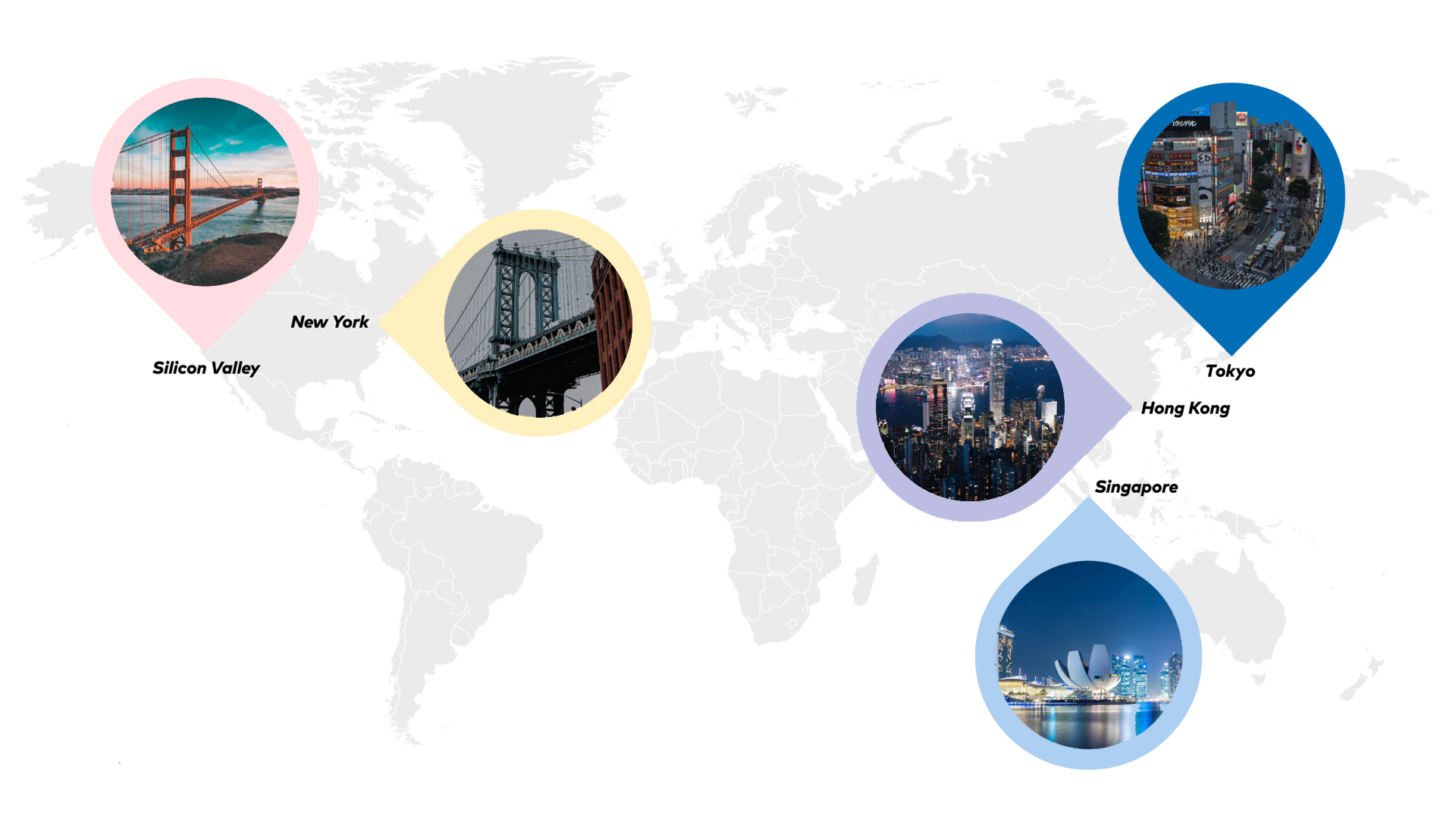
There are now five Nordic Innovation Houses around the world — in Silicon Valley, New York, Singapore, Hong Kong and Tokyo.
These houses all aid Nordic startups and companies with business connections. They work together to fund opportunities, networks and mentor programs, and provide physical spaces for events and workshops.
But how do you develop connections and create networks in the middle of a lockdown?
Business cultures are adapting
For Niklas Karvonen, Community Director at Nordic Innovation House Tokyo, COVID-19 has been ever-present since they opened last summer. The house still hasn’t even found a physical location in the Japanese capital.
“We call ourselves ‘born covid’, meaning our house has only ever operated amid the global pandemic. This means our activities are all remote-first, and we haven’t been able to welcome Nordic companies or delegations into the country yet, because of the strict border entry control”, says Karvonen.
“Nevertheless, the Japanese business culture is adapting to remote working, and we foresee cross-region virtual meetings and hybrid work models are here to stay. This should make exploring opportunities in Japan more accessible for Nordic companies as well.”
Challenges ahead
Sami Jääskeläinen, Community Director at Nordic Innovation House Singapore, shares his colleague’s optimism.
“2020 was our busiest year to date. We hosted almost 50 different webinars with both Nordics and local stakeholders. We also had 69 members here in Singapore at our peak last year.”
“There is a silver lining to this — it’s much easier to get people and decision-makers in the same virtual room than arranging in-person meetings.”
The current situation is still challenging, Jääskeläinen admits.
“For example, Asian business culture is very relationship-driven. People here place high value on meeting face-to-face, shaking hands, exchanging business cards and having conversations. This is a challenge we’re facing right now.”
Connecting female entrepreneurs with role models
Last year was particularly busy for Nordic Innovation House Silicon Valley, according to Community Director, Paula Salomaa.
“We successfully transferred our existing startup accelerator program, TINC, and our research-to-commercialization program REACH, to a full virtual format. We were also able to introduce Bifrost Talks — a series of dedicated webinars to help startups maneuver through the challenges commonly faced during the COVID-19 pandemic.”
“Another new extension to our services was CONNECT — a coaching program to acquaint Nordic female entrepreneurs with Silicon Valley role models.”
The Silicon Valley house will continue to develop their Nordic collaboration programs remotely this year, while streamlining their processes according to the feedback they receive.
“We are moving our community to a new digital platform, which will be used as both a learning platform and digital community home for our existing membership types. That will also include the new fully digital ‘light membership", Salomaa reveals.
Stronger together
One thing for certain, is that despite each Nordic country being small in a global scale, they are strongest when working together. As Niklas Karvonen explains:
“In Japan, the Nordics represent strong values like sustainability, equality and innovation. Standing together to showcase a diverse pool of quality startups and growth companies makes us more appealing to our Japanese stakeholders.”
Paula Salomaa agrees.
“Together we are stronger! We’re garnering more interest and visibility now that we have more resources and established networks around the world.”
→ Read more about Nordic Innovation Houses
 Photo: Unsplash
 Photo: AdobeStock
The Nordic Tourism Industry was Hit Hard by Covid-19
The pilot project Mobile Positioning Data for Tourism Statistics, led by the Swedish Agency for Economic and Regional Growth, has been completed and resulted in a thorough feasibility study with recommendations for the development and implementation of a major Nordic development project for the use of mobile position data in tourism statistics. The tourism industry has been hit hard by Covid-19 and this has made the mobilization of project partners difficult and delayed the further process.
In 2020, Nordic Innovation followed up the pilot project Sustainable Tourism in Nordic Harbour Towns, which was completed in the autumn of 2019. There has been an ongoing dialogue with the actors who participated in the pilot project from the Nordic port municipalities to launch the main project based on the results of the pilot project regarding sustainable tourism in the Nordic region. The cruise industry has been particularly hard hit by Covid-19, and this has affected the project and especially the mobilization of industrial partners. Despite this, several Nordic municipalities are working on the project description and plan is to start the main project 2021.
Another project was added, when Nordic Innovation in 2020 entered into an agreement on the pilot project Nordic Travel Tech Network where the purpose is to create a virtual network that connects national hubs, start-up companies, public organizations, and investors.
In 2021 the work with the tourism industry will continue as the Nordic region slowly opens for tourism again. Stay up to date here: nordicinnovation.org/programs/tourism-nordics.
Vision 2030 and the eight new action plans
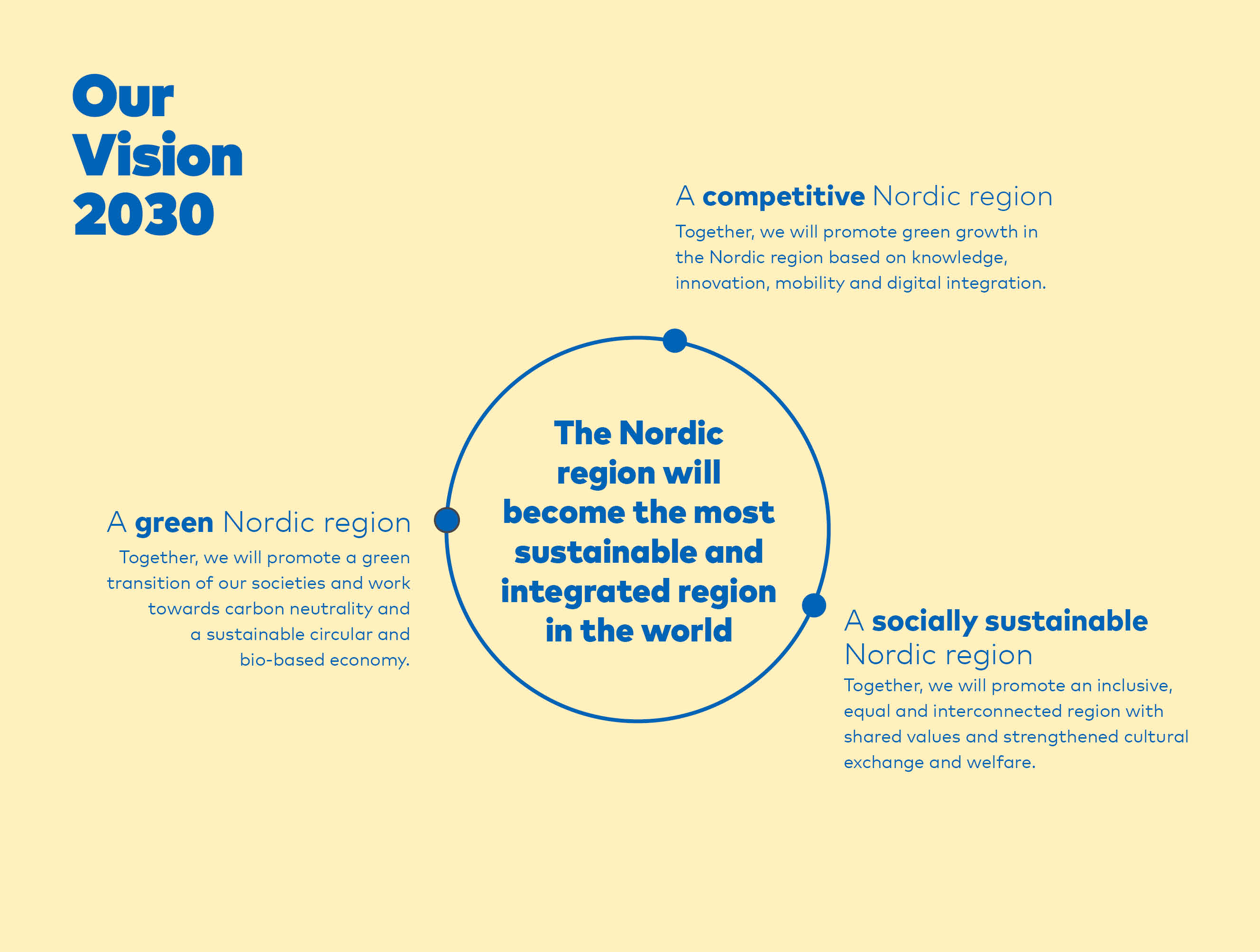
In September, Nordic Innovation was tasked by the Nordic ministers of trade and industry to operationalize eight new initiatives that will make it easier for Nordic companies to operate across borders and support the vision for the Nordic region to become the most sustainable and integrated region in the world by 2030.
The initiatives will run from 2021 to 2024 with a combined budget of DKK 250 million. The ministers approved the initiatives at a digital meeting on 1 September and intensive preparations have been ongoing during the fall 2020 to be able to launch the new programs in spring 2021. More information about the new eight programs on Nordic Innovations homepage.
The eight new programs for 2021-2024 are:
Sustainable Mineral Production
Nordic Green Mobility
Circular Business Models
Sustainable Ocean Economy
AI and Data
Sustainable Construction
Smart Connectivity
Life Science and Health Tech
Employees
- Anna-Maija Sunnanmark, Senior Innovation Adviser Nordic Scalers
- Elís Benediktsson, Senior Innovation Adviser Nordic Sustainable Business Transformation
- Frigg Harlung-Jensen, Communication Adviser
- Hanna Törmänen, Innovation Adviser Nordic Sustainable Business Transformation
- Håkan Lind Senior, Innovation Adviser Nordic Smart Mobility and Connectivity Nordic Sustainable Cities
- Iiris Tarvonen, Communication Adviser
- Ivar Josefsson, Innovation Adviser Nordic Smart Mobility and Connectivity Nordic Sustainable Cities
- Lena Henriksson, Head of Communication
- Magnus Buer, Senior Communication Adviser
- Marthe Haugland, Senior Innovation Adviser Nordic Sustainable Business Transformation
- Mikael von Dorrien, Senior Innovation Adviser Nordic Smart Mobility and Connectivity Nordic Innovation House
- Mona Truelsen, Senior Innovation Adviser Health, Demography and Quality of Life Nordic Welfare Solutions
- Niina Aagaard, Chief Operating Officer
- Nina Egeli, Senior Innovation Adviser Nordic Smart Mobility and Connectivity Nordic Scalers
- Rasmus Malmborg, Senior Innovation Adviser Health, Demography and Quality of Life Nordic Sustainable Cities
- Svein Berg, Managing Director
- Trine Moa Senior, Senior Adviser Strategy and Governance
- Þórður Reynisson, Senior Innovation Adviser Health, Demography and Quality of Life
Administration
- Haukur Stefánsson, Senior Administration Adviser
- Linda Valestrand, Administration Consultant
- Mikael Heimonen, Financial Manager
- Maja Stevanovski, Financial Advisor
- Skule Storheil, Financial Manager
Interns 2020
- Enna Tengström, University of Turku, Social Policy
- Sofie Andersson, University of Lund Centre for Environmental and Climate Science, Applied Climate Strategy
 Photo: Colourbox
Board Members
The Nordics
Nordic Innovation's board members are selected by the five Nordic governments. The chair of the board is an alternating position. Board meetings are held approximate four times a year and representatives from Nordic Council of Ministers and Nordic Innovation are present at all meetings.
Denmark: Andreas Rahlf Hauptmann (chair)
Office Manager, EU & International relations at the Danish Business Authority
Copenhagen, Denmark
Finland: Heikki Uusi-Honko
Development Director for International Operations at Business Finland
Helsinki, Finland
Iceland: Berglind Hallgrímsdóttir
Managing Director at Innovation Center Iceland
Reykjavik, Iceland
Norway: Kjerstin Spjøtvoll
Senior Vice President, Innovation at Siva
Trondheim, Norway
Sweden: Margareta Groth
Head of Department Industrial Technologies at VINNOVA
Stockholm, Sweden
Representative from the Nordic Council of Ministers:
Kristian Henriksen
Senior Adviser, Business, Energy & Regional Development
Copenhagen, Denmark
Representative from Nordic Innovation: Nina Egeli (observer)
Senior Innovation Adviser
Oslo, Norway
Representative from Vinnuframi (the Faroese trade promotion authority):
Mathea Hilduberg (observer)
Director
Tórshavn, Faroe Islands
About this publication
Nordic Innovation Annual Report 2020
© Nordic Innovation 2021
Layout: Mette Agger Tang
Cover photo: Jarle Nyttingnes
Authors: Frigg Harlung-Jensen, Magnus Buer, Lena Henriksson and NewsLab
NORDIC INNOVATION
Nordic Innovation aims to make the Nordics a pioneering region for sustainable growth and works to promote entrepreneurship, innovation and competitiveness in Nordic business. Nordic Innovation is an organization under the Nordic Council of Ministers.
Nordic Innovation
Stensberggata 27
NO-0170 Oslo
nordicinnovation.org
Read more Nordic Innovation publications at www.nordicinnovation.org/publications